A cohort programme for team leads who moved up from doing the work themselves. They learn simple visual tools, use them with their own teams between sessions, and keep using them after the programme ends.
A first conversation about your managers and your goals. No cost.
Your new managers were promoted because they were good at their work. Leading people asks for different skills, and most of them never learned those.
Yesterday they were peers. Today they lead the same people, and nobody knows how the relationship works now.
"How is it going?" gets "fine". The real issues stay hidden until they become big ones.
They hold back criticism to keep the peace, and praise is too general to land.
The same two people talk. Everyone else nods, and problems come up later, in the corridor.
They lead everyone the same way, because they do not know each person's strengths and values.
They copy their old boss, or try to stay "one of the team". Neither feels right.
In teams with a strong sense of hierarchy, people rarely raise a problem directly with their manager. A picture card or a strengths card gives them a safe way to say it, without anyone losing face. Managers learn to open these conversations, and their teams start to speak up.
Hierarchy, measured as power distance: Malaysia 100, Singapore 74 (Hofstede, Hofstede and Minkov, Cultures and Organizations).They open with a picture, ask better questions, and hear what is really going on.
They describe what they saw, not what they think of the person, and say what they need.
They know their strengths and values, and how they want to lead.
Short card-based check-ins and check-outs give the quiet people a voice in every meeting.
They know the strengths and values of each team member and use them when they hand out work.
Every tool from the programme is simple enough to use again with their own team, without a trainer.
Each module ends with one tool the manager uses with their own team before the next session. The final format is shaped with you in the co-creation call.
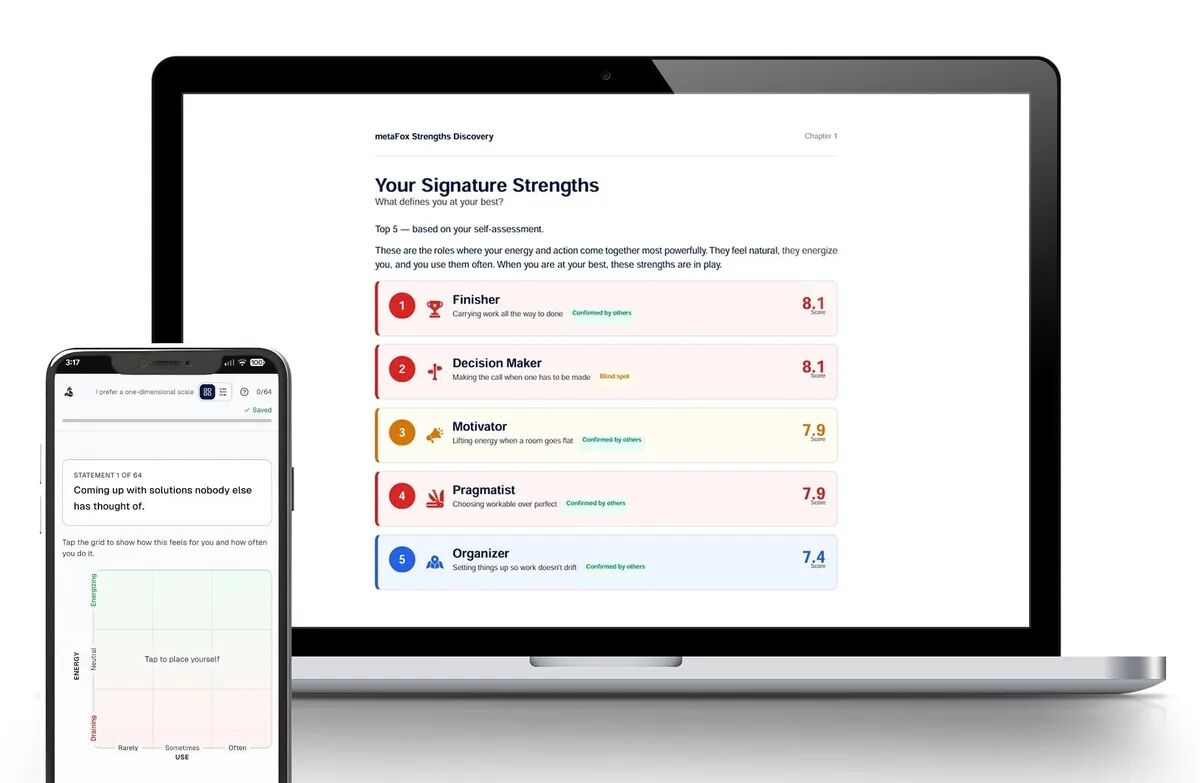
Before day one, each manager takes the Strengths Discovery and the Values Assessment online. In the session they look at their results in pairs and pick a picture for their biggest challenge as a leader.
Tools: Strengths Discovery, Values Assessment, Leadership Inside-Out picture cards
Back to the team: share their top strengths with the team and invite feedback.
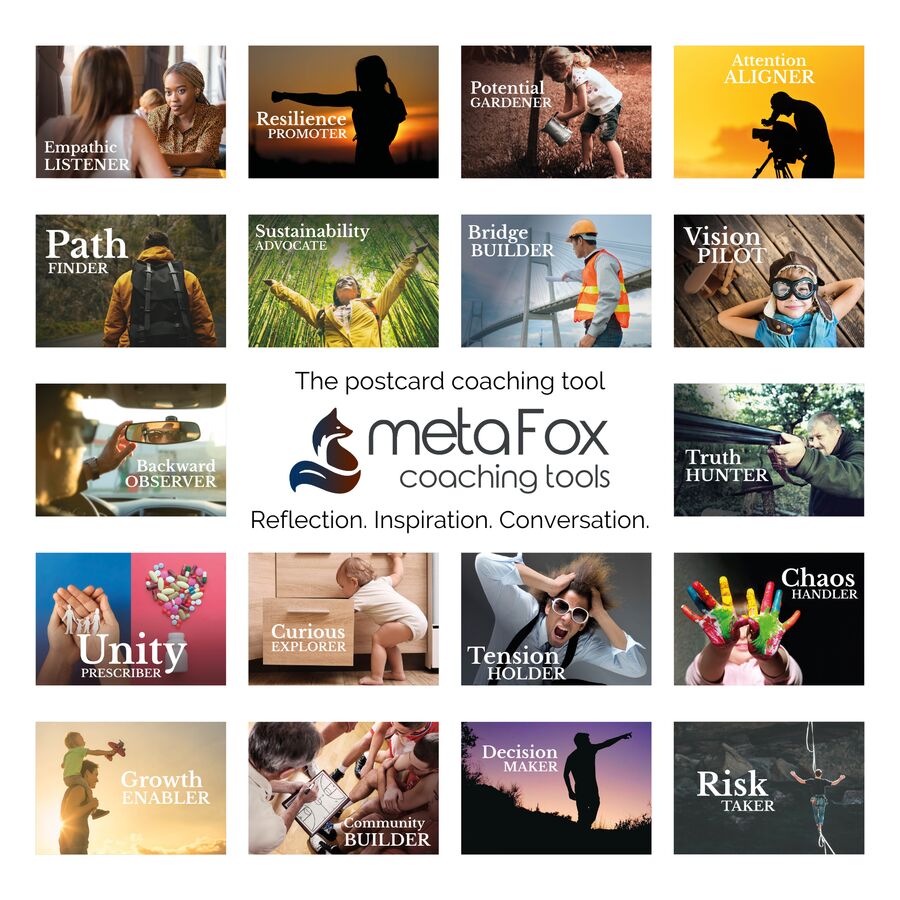
Managers choose the leadership qualities they think their team expects. They practise the conversation about what changes now that they lead.
Tools: Facets of Leadership cards
Back to the team: the team picks the qualities it wants more of, and the manager listens.
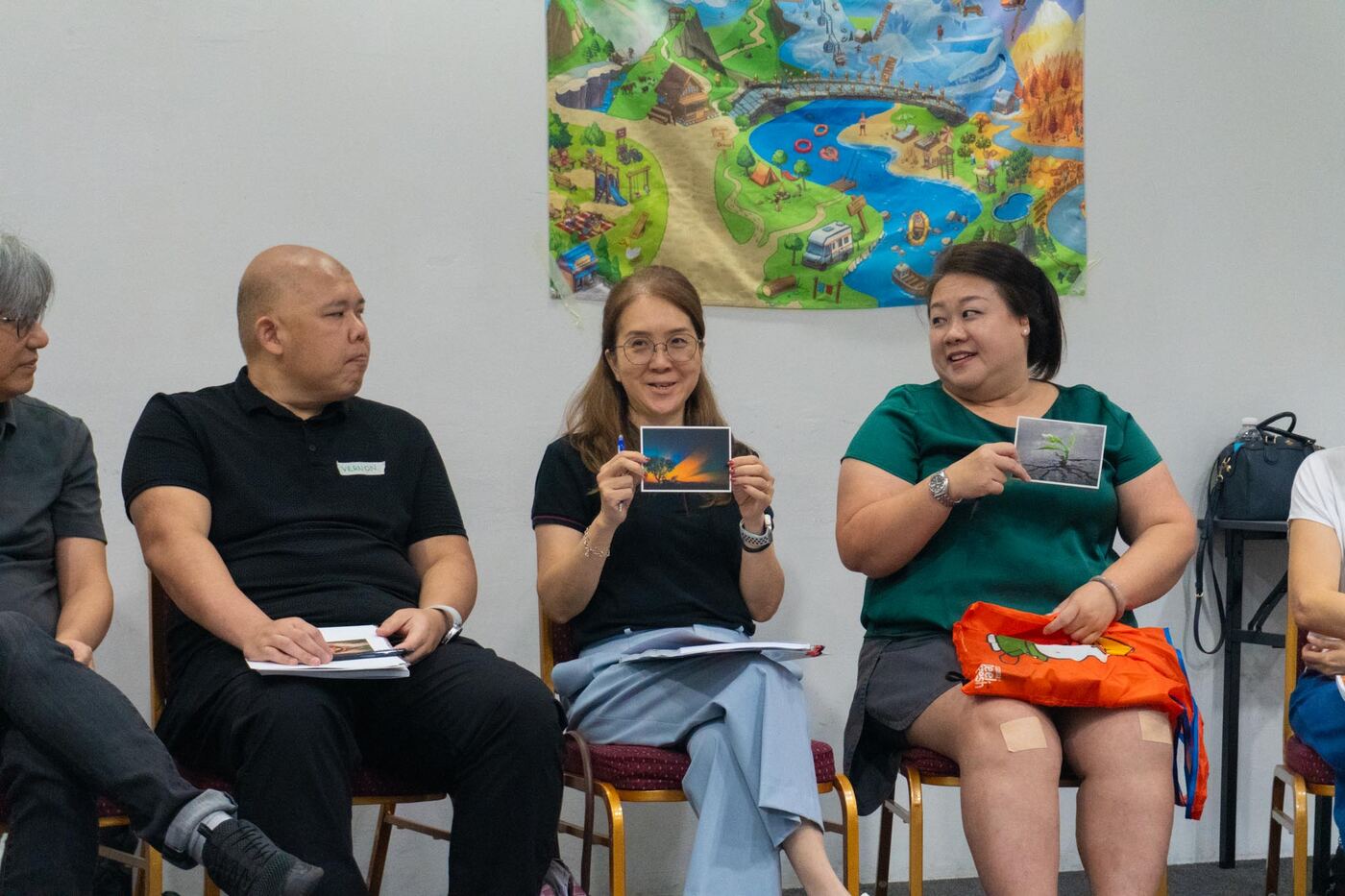
In groups of three, managers practise 1:1s: open with a picture, ask questions from both sides of the same card, and follow up on strengths.
Tools: picture cards, Putting People First cards, metaFox.online for remote 1:1s
Back to the team: two 1:1s with a picture-card opener.
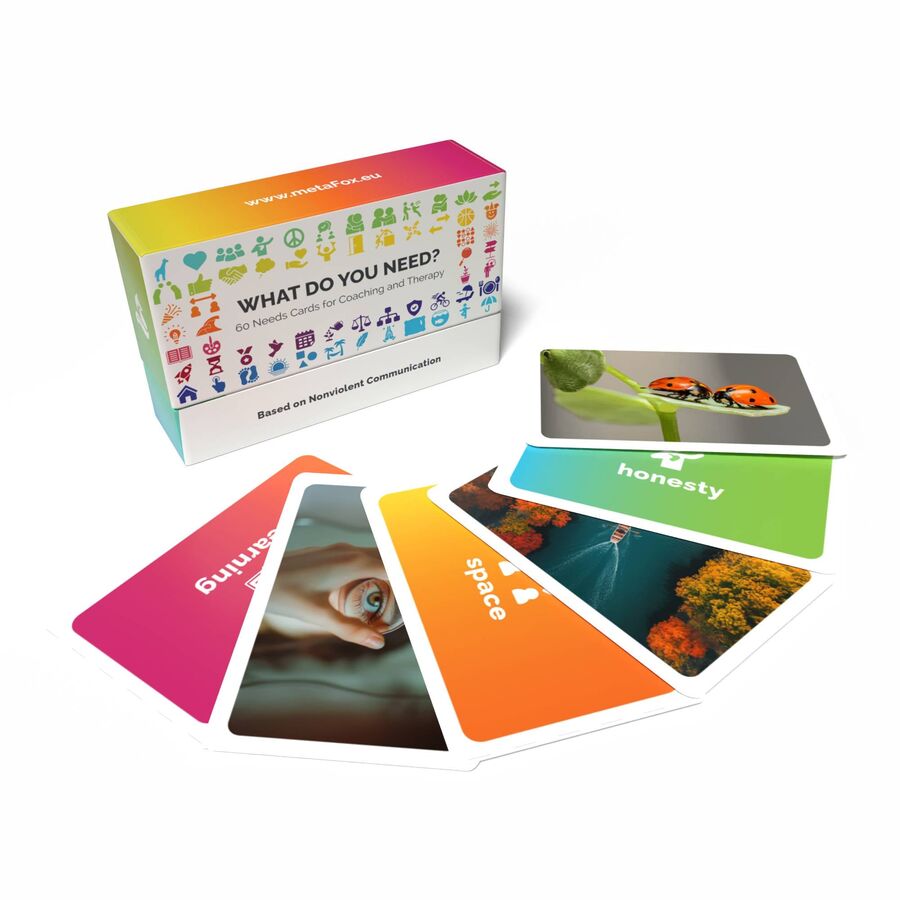
Managers turn judgements into observations, name the feeling and the need behind them, and build a habit of specific praise.
Tools: Observations Compass, Needs Cards, Emotions Cards, Strengths Cards
Back to the team: a strengths round where each person names a strength they see in a colleague.
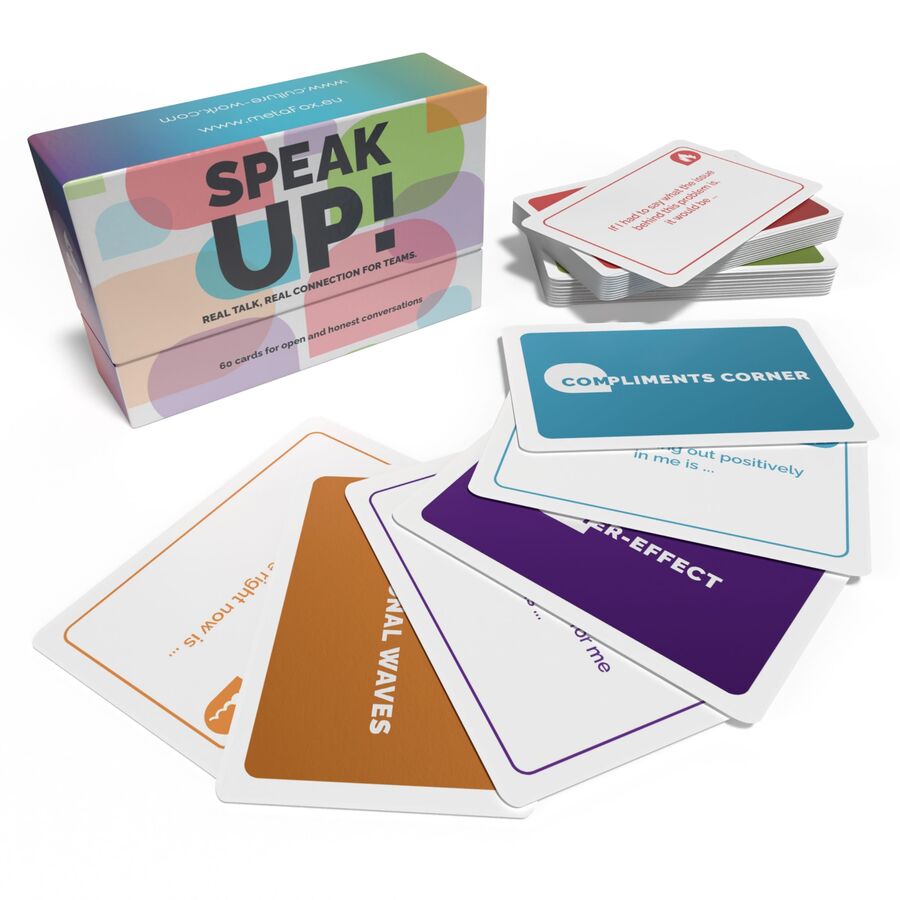
Managers learn short check-in and check-out rituals, a way to name the issue nobody mentions, and how to calm a conflict between two people.
Tools: Speak Up! cards, Growing Together picture cards, About Us question cards
Back to the team: a picture check-in at the start of meetings and a Speak Up! check-out at the end.
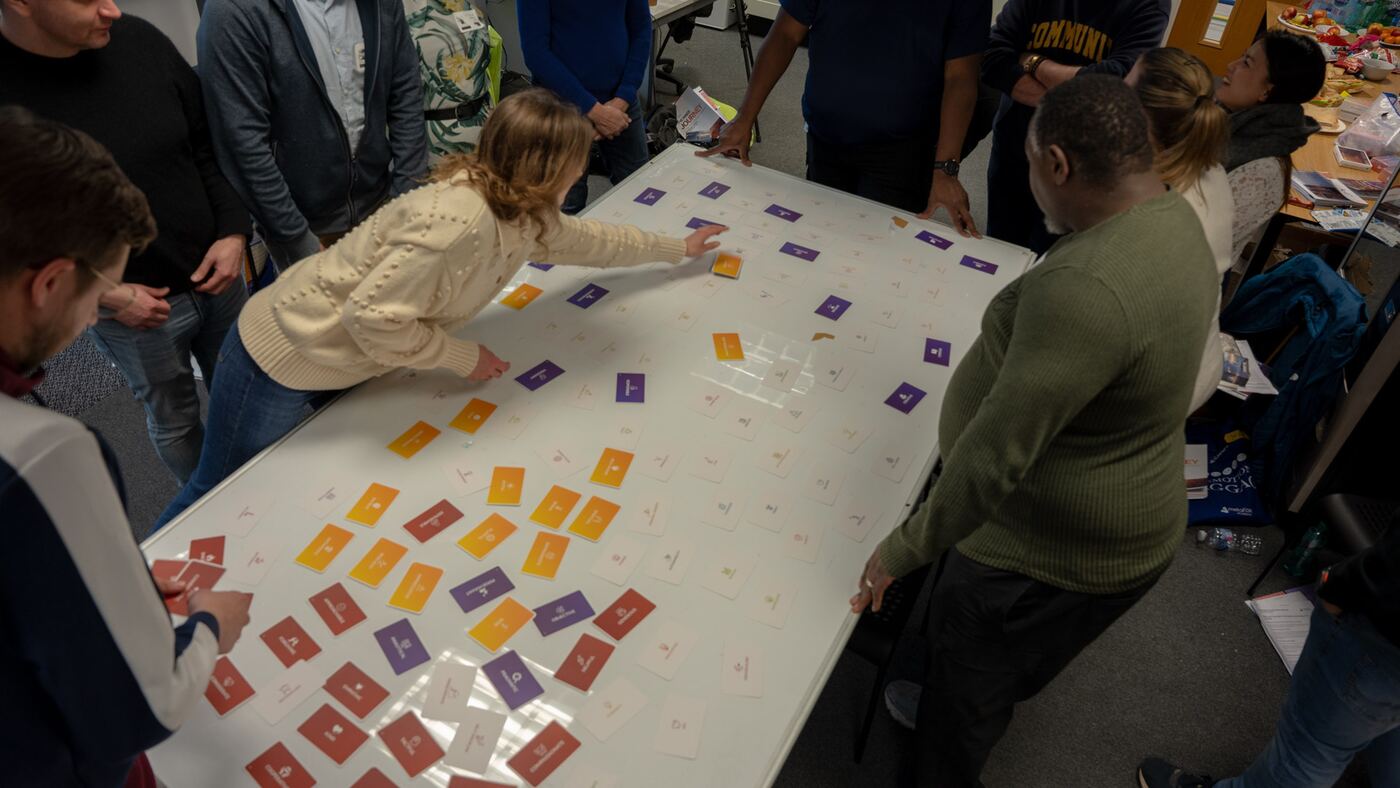
Managers agree shared values with their team and turn them into behaviour. Each manager presents what they tried with their team and what changed.
Tools: Values Cards
Back to the team: a team values session.
No theory to memorise. Every tool works in a 10-minute slot of a normal team meeting or 1:1.
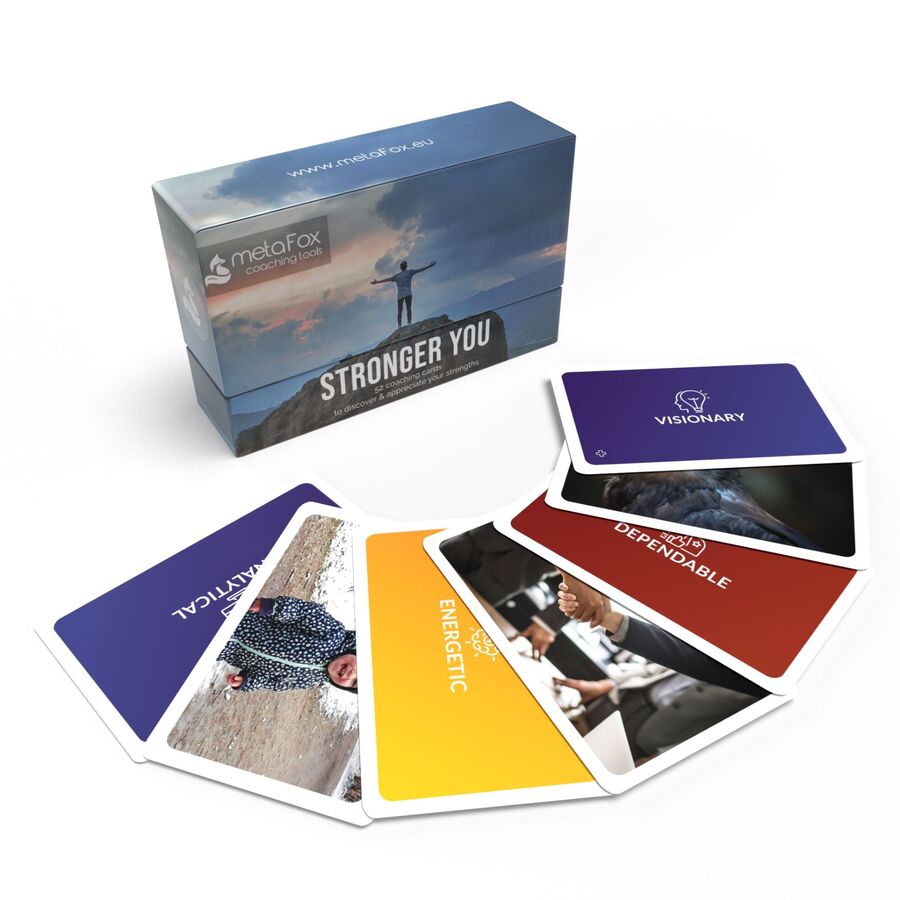
52 strengths to spot and name.
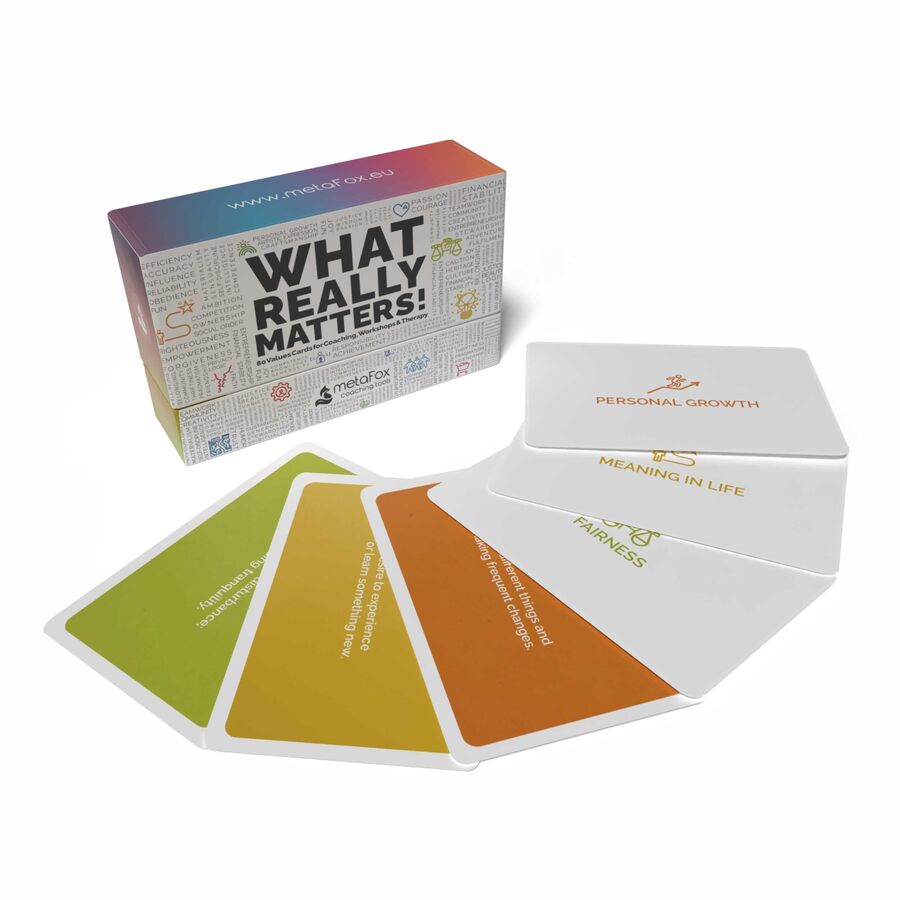
80 values for "what matters to us".
60 sentence starters for honest team talk.
For feedback and conflict talks.
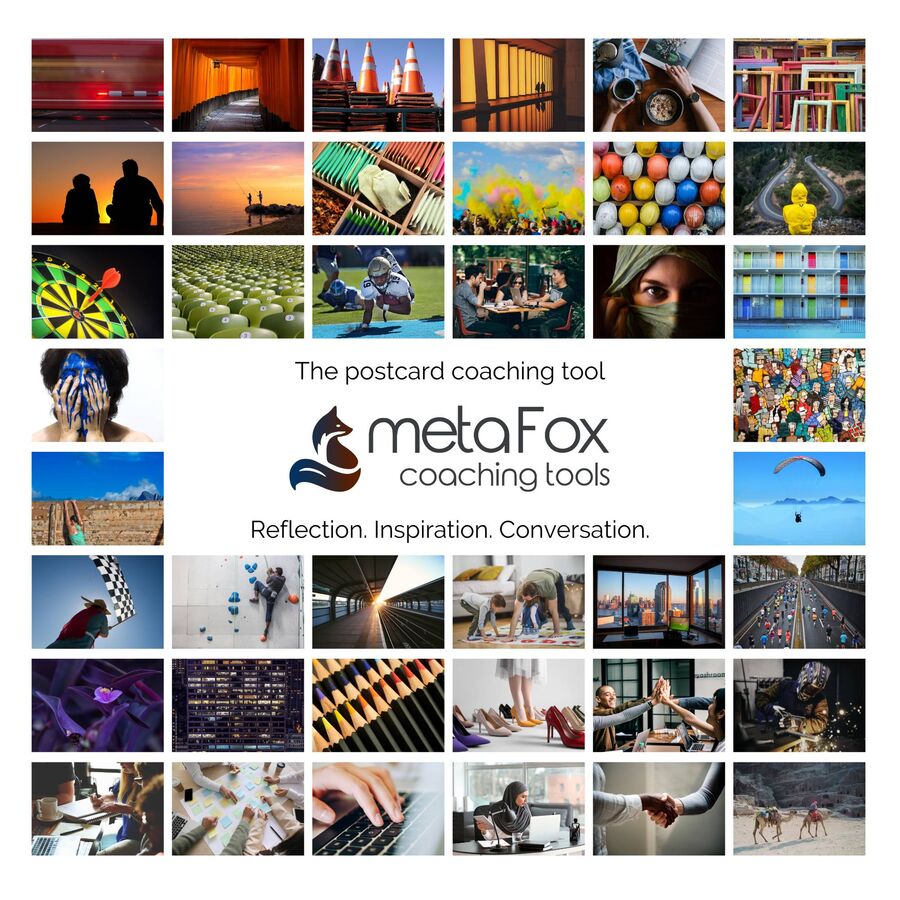
52 picture cards with a leader and an employee question.
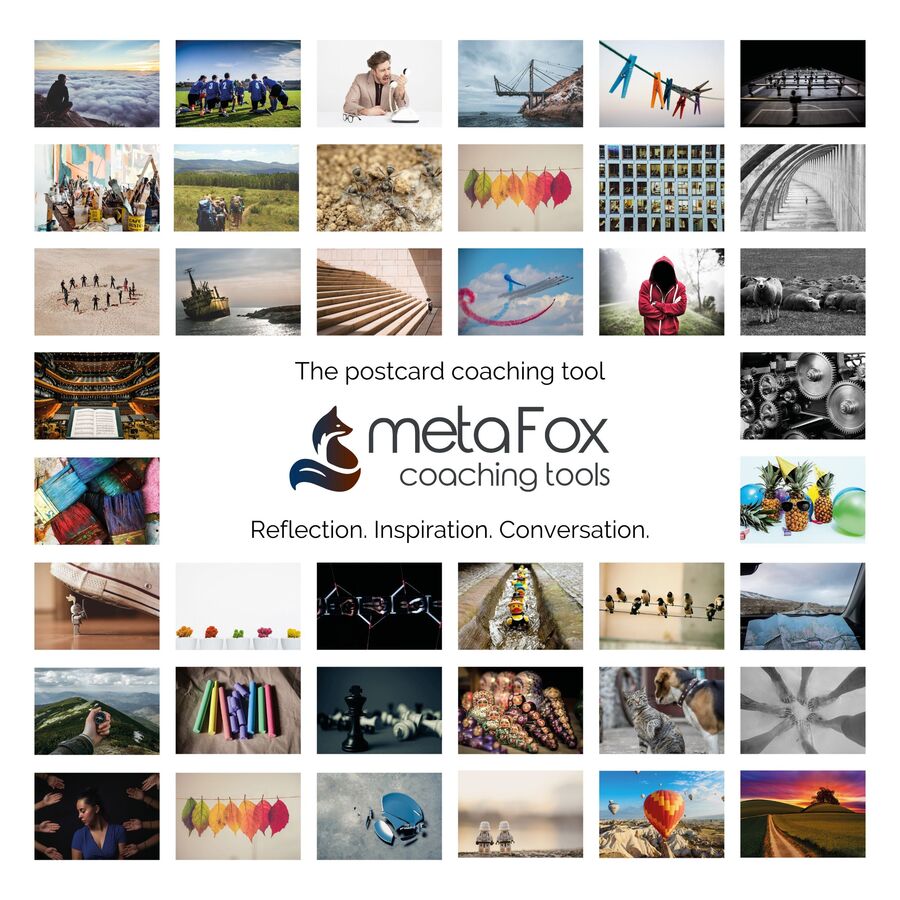
52 picture cards for team feedback.
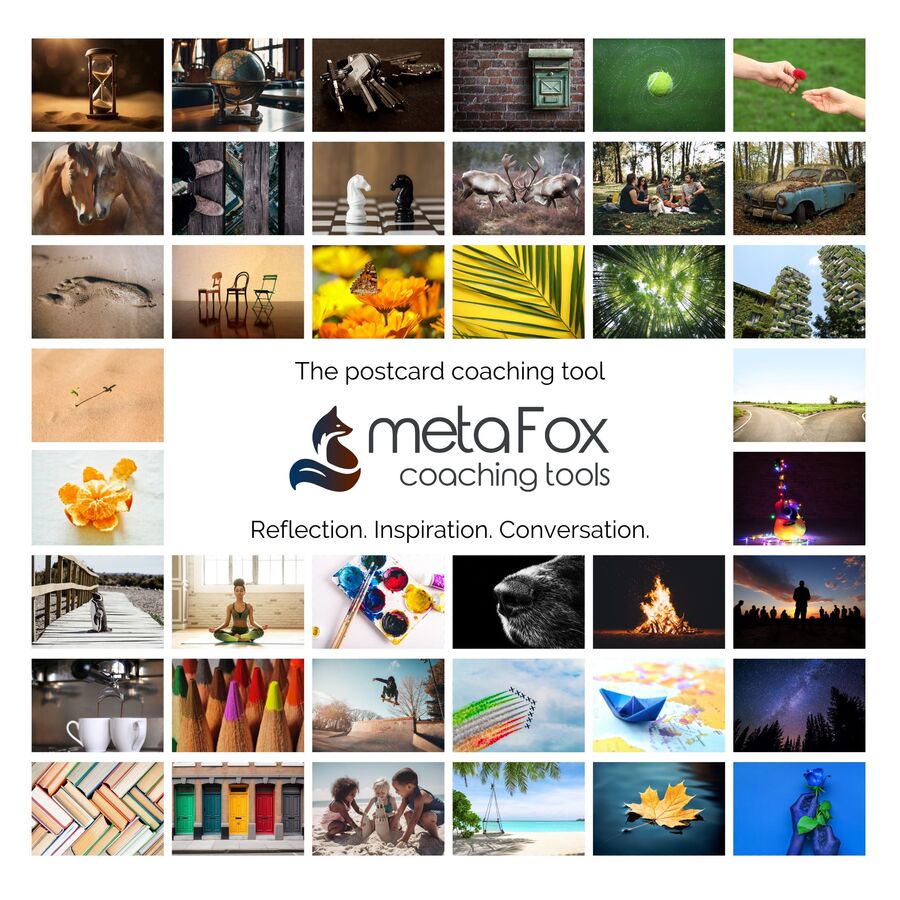
52 picture cards for reflection as a leader.
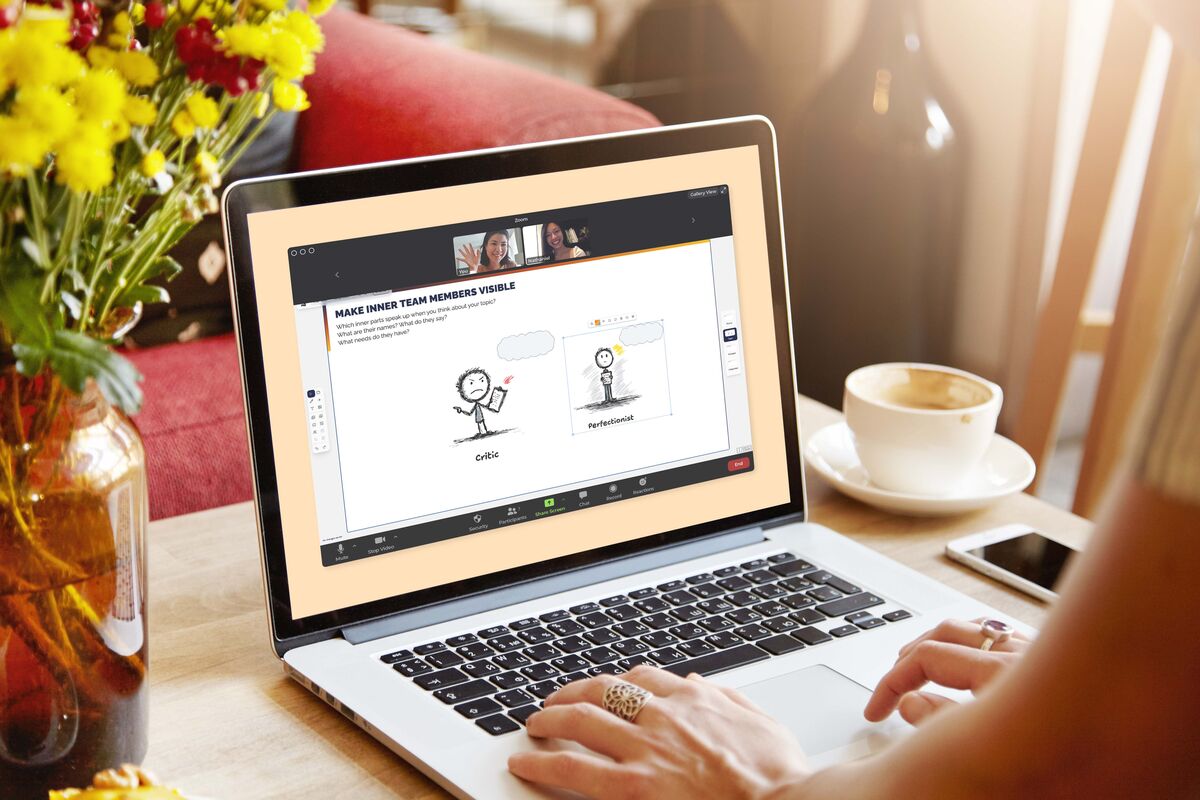
The same tools on a shared online board for remote 1:1s.
Book a meeting with Dr Marc Ee. Tell us about your new managers, your teams and what you want to change.
FreeWe look at your company in detail: your culture, your managers' biggest challenges, and how much time they can give. Together we choose the modules, the tools and the format that fit.
Your first cohort goes through the programme. Between sessions, each manager uses the tools with their own team.
We look at the results with you: participant feedback, what managers now do differently with their teams, and what to adjust.
More cohorts, follow-up sessions for the first group, or a roll-out to other sites in Singapore and Malaysia.
Example: a cohort of 12 managers costs S$18,000.

"We don't aim to impress participants for a day. We aim to change how they think and act long after the programme ends."Evoco Leadership
People who lead a team for the first time, usually after being promoted from an individual role. It also fits managers in their first one to three years, and managers whose team has just grown.
We set the format with you in the co-creation call, for example a few full days in person or a series of half-day sessions with team assignments in between.
In person at your office or a venue in Singapore or Malaysia. Parts can run online.
Managers learn a lot from each other. A cohort of more than 10 gives enough peers to practise with and to share what worked with their teams.
No. The tools are made for people without coaching training.
Yes. That is the point: each manager uses them with their own team during and after the programme.
The first step is a conversation with Dr Marc Ee.
Pick a time below. Open the calendar in a new tab